- Travel
- News & Advice
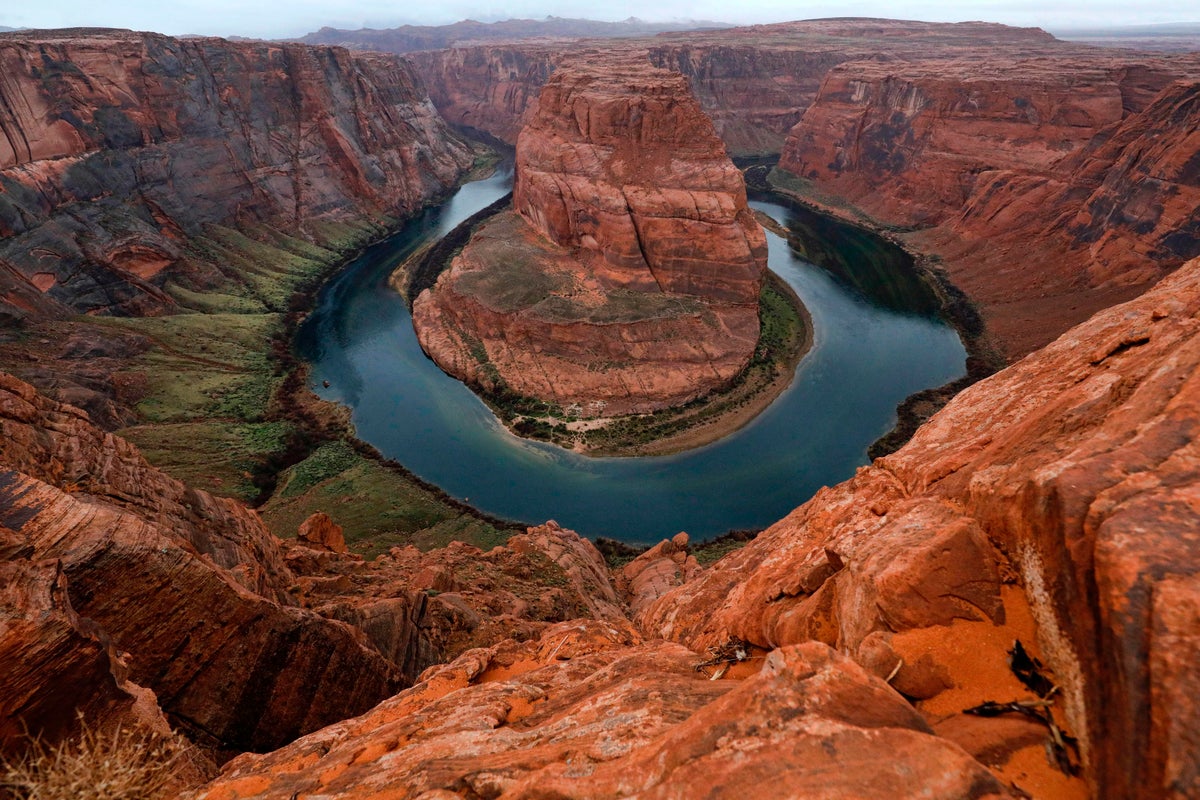
Glen Canyon National Recreation Area sits between Arizona and Utah
Isabel Keane in New York Tuesday 10 March 2026 20:54 GMT- Bookmark
- CommentsGo to comments
Bookmark popover
Removed from bookmarks
Close popoverMissing Florida man rescued after being stuck in quicksand for days after going missing on Valentine's
Get Travel Insider with Simon Calder. A newsletter packed with tips, deals, inspiration, and the latest travel news
Get the Travel Insider newsletter with Simon Calder
Get the Travel Insider newsletter with Simon Calder
Email*SIGN UPI would like to be emailed about offers, events and updates from The Independent. Read our Privacy notice
Quicksand has been spotted at a popular national park - just as more families start to arrive to kick off spring break.
The National Park Service has issued a dire warning for travelers headed to Glen Canyon National Recreation Area, which sits on the border between Arizona and Utah, that quicksand has been reported throughout the park.
“Quicksand may be present near the shoreline and in drainages throughout the park. It can appear dry and firm on the surface but may suddenly give way,” the park service said in the alert.
“Recognize unstable, shifting, or unusually soft ground, and use caution when entering through these areas,” the park service added.
Glen Canyon is a popular desert destination that spans over 1.25 million acres. It is also home to Lake Powell, the second-largest man-made lake in the U.S.
 open image in galleryQuicksand has been reported at Glen Canyon National Recreation Area, a popular tourist attraction between Arizona and Utah (AFP/Getty)
Quicksand, a mixture of sand and water or sand and air that appears solid but becomes unstable when disturbed, has been a common peril in movies and TV shows. However, it can present a real danger. Getting stuck in quicksand can lead to hypothermia and dehydration - and even become fatal.
The National Park Service urges visitors to remain vigilant for warning signs of quicksand, which can include unexpected water seepage and shifting, rippling or vibrating soil. Dry-looking surfaces that feel spongy, and depressions in the ground may also be signs of quicksand, the park service said.
Park rangers advise anyone who may become stuck in quicksand to stay calm and avoid sudden movements, which will cause the body to sink deeper into the sand.
Those stuck are advised to lean back to spread out their body weight before working their legs upward with slow, controlled movements. The park service notes that people who may be trapped can use sturdy objects for leverage, such as branches or trekking poles.
While it may seem unlikely, getting caught in quicksand does happen.
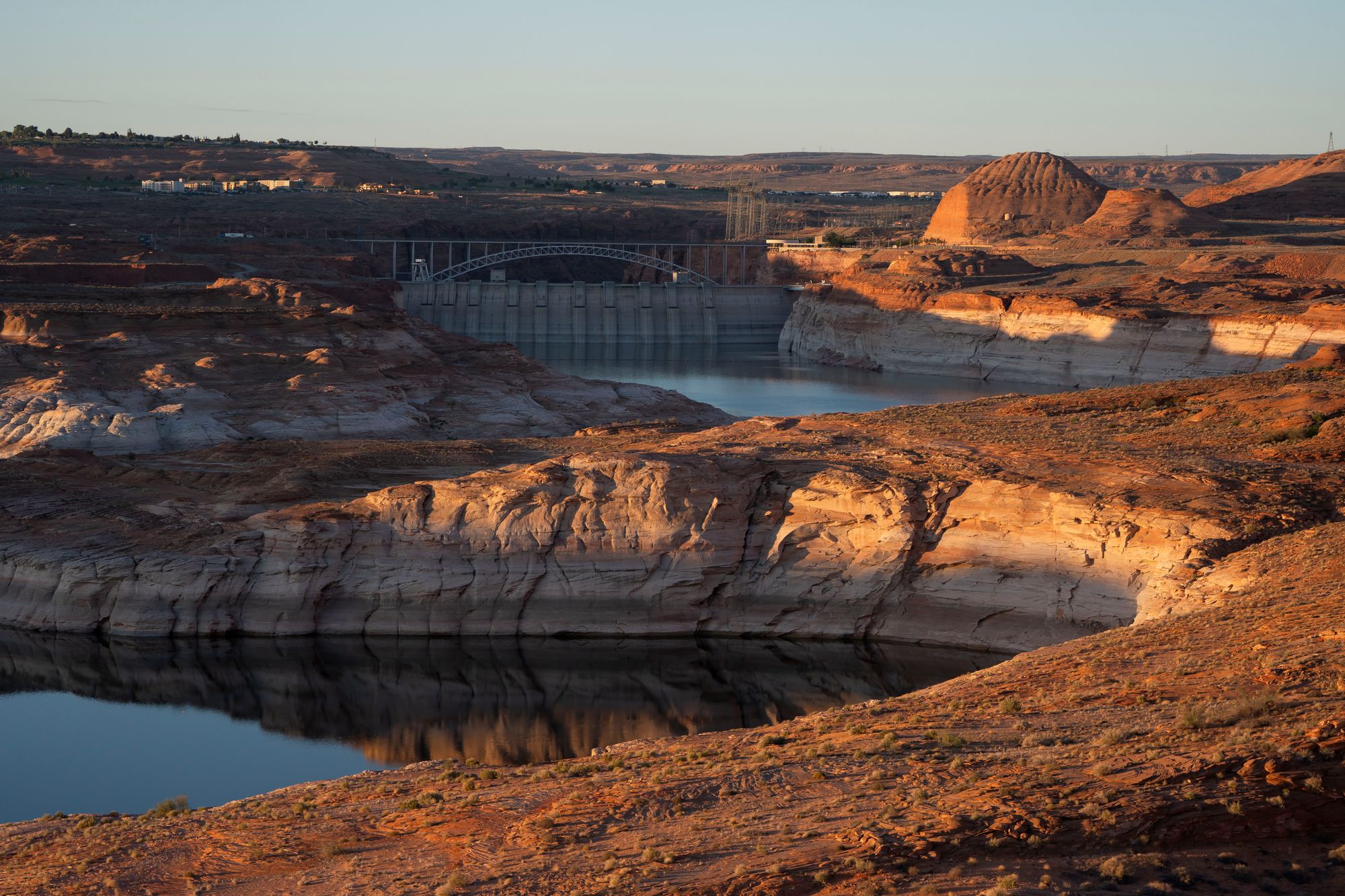 open image in gallery‘Recognize unstable, shifting, or unusually soft ground, and use caution when entering through these areas,’ park officials said (Getty)
Last December, an experienced hiker at Utah’s Arches National Park sank into quicksand up to his thigh while traversing a small canyon. The hiker was not able to free himself and had to activate an emergency satellite beacon, prompting rescue teams to save him from the near-freezing muck.
Then last month, a Florida man who had been reported missing on Valentine’s Day was found stuck in quicksand on February 25.
Rescue crews spent hours pulling Andrew Giddens, a 36-year-old from Jacksonville, from frozen, shoulder-deep mud.
“Due to the instability of the ground, responders had to progress slowly so they would not sink," the sheriff's office added.
After he was freed, he was flown by air ambulance to a trauma center in critical condition.
More about
parksignsspring breakNational ParksArizonaLake PowellNational Park ServicesandUtahJoin our commenting forum
Join thought-provoking conversations, follow other Independent readers and see their replies
Comments